Why Is My Forehead Breaking Out? Real Causes (and What Actually Fixes It)
You didn't do anything different. Same routine, same products, same everything — and suddenly your forehead is covered in tiny bumps that won't quit. Before you blame your skincare (again), let's talk about what's actually going on up there, because forehead breakouts almost never come out of nowhere.
Your Forehead Is Not Like the Rest of Your Face
The forehead sits in your T-zone, which means it's already producing more oil than your cheeks. But it's also the one part of your face that's constantly touched by things the rest of your skin never deals with — hair, hats, headbands, sweat running down from your scalp. That combination is why forehead acne behaves differently and needs a different approach than a random pimple on your chin.The Real Causes (Not the Generic List)
1. Your hair products are migrating onto your skin.
This one gets skipped constantly. Oils, silicones, and waxes in shampoo, conditioner, and styling products don't stay on your hair — they travel down onto your hairline and forehead throughout the day, especially if you have bangs or your hair touches your forehead while you sleep. This is called pomade acne, and it shows up as small, uniform bumps concentrated along the hairline. If your breakouts are clustered near where your hair sits, this is very likely your actual cause, not your face wash.
2. Sweat plus friction equals clogged pores.
Headbands, caps, helmets — anything that traps sweat against your forehead for hours creates a warm, damp environment that clogs pores fast. If you notice breakouts after the gym, after wearing a hat, or during hotter months, this is your answer.
3. Hormones are doing what hormones do.
Androgens tell your sebaceous glands to produce more oil, and the forehead has a high concentration of those glands. This is why breakouts spike around your cycle, during puberty, or during high-stress periods — stress raises cortisol, and cortisol pushes your skin to overproduce oil.
4. You're touching it more than you think.
Resting your forehead in your hand, pushing hair off your face, adjusting glasses — all of it transfers oil and bacteria straight into pores that are already working overtime.
5. Product buildup, not new products.
Sometimes it's not a new product causing the problem — it's an old one that's been sitting on your skin without being properly removed, especially heavier sunscreens or makeup that isn't cleansed off thoroughly at the hairline.
What Actually Helps (Beyond "Just Wash Your Face")
The instinct with forehead acne is to strip everything — scrub harder, wash more, dry it out completely. That usually backfires because it disrupts your skin barrier and makes your skin produce even more oil to compensate. What actually works is drawing out what's clogging the pore without stripping the skin raw.
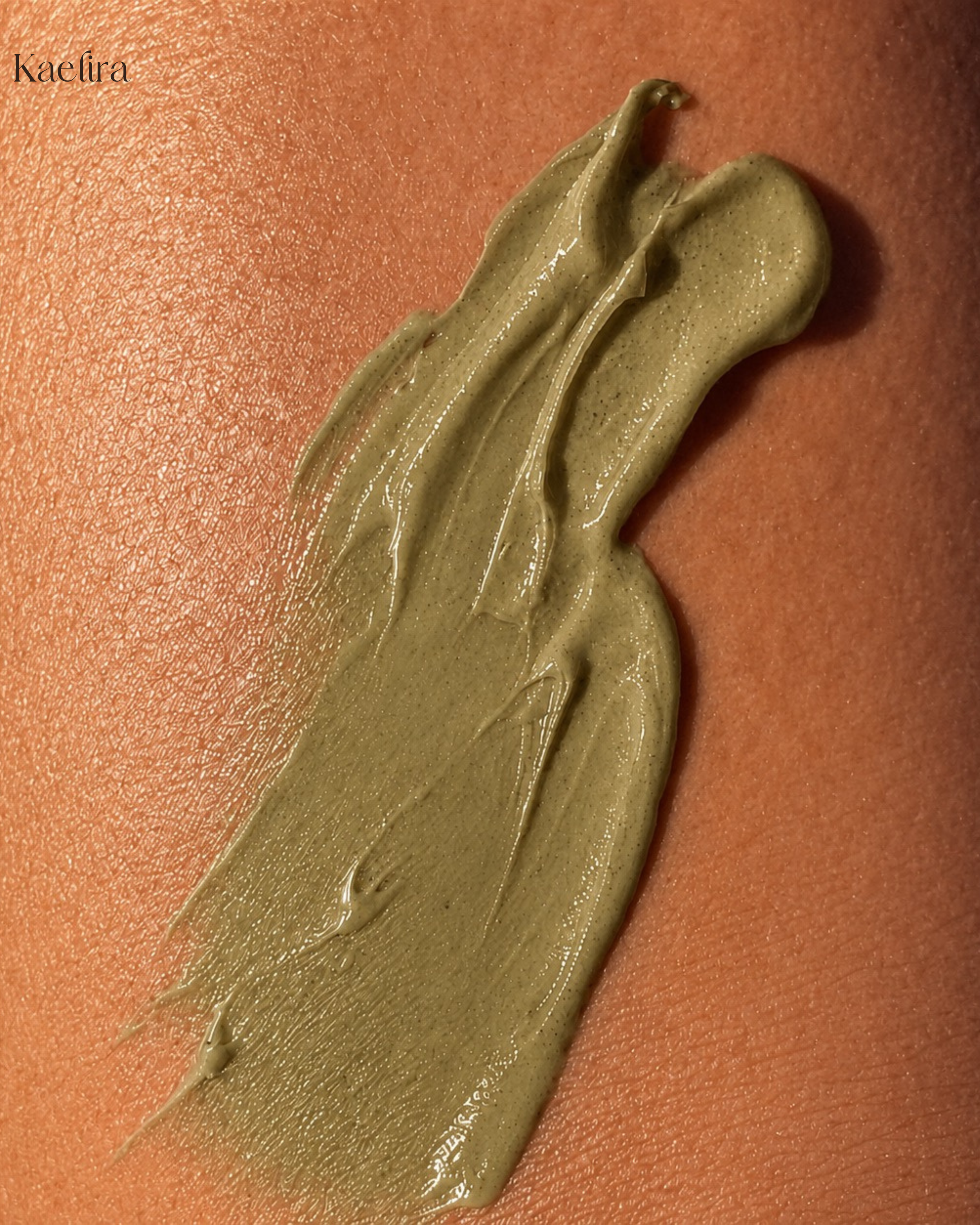
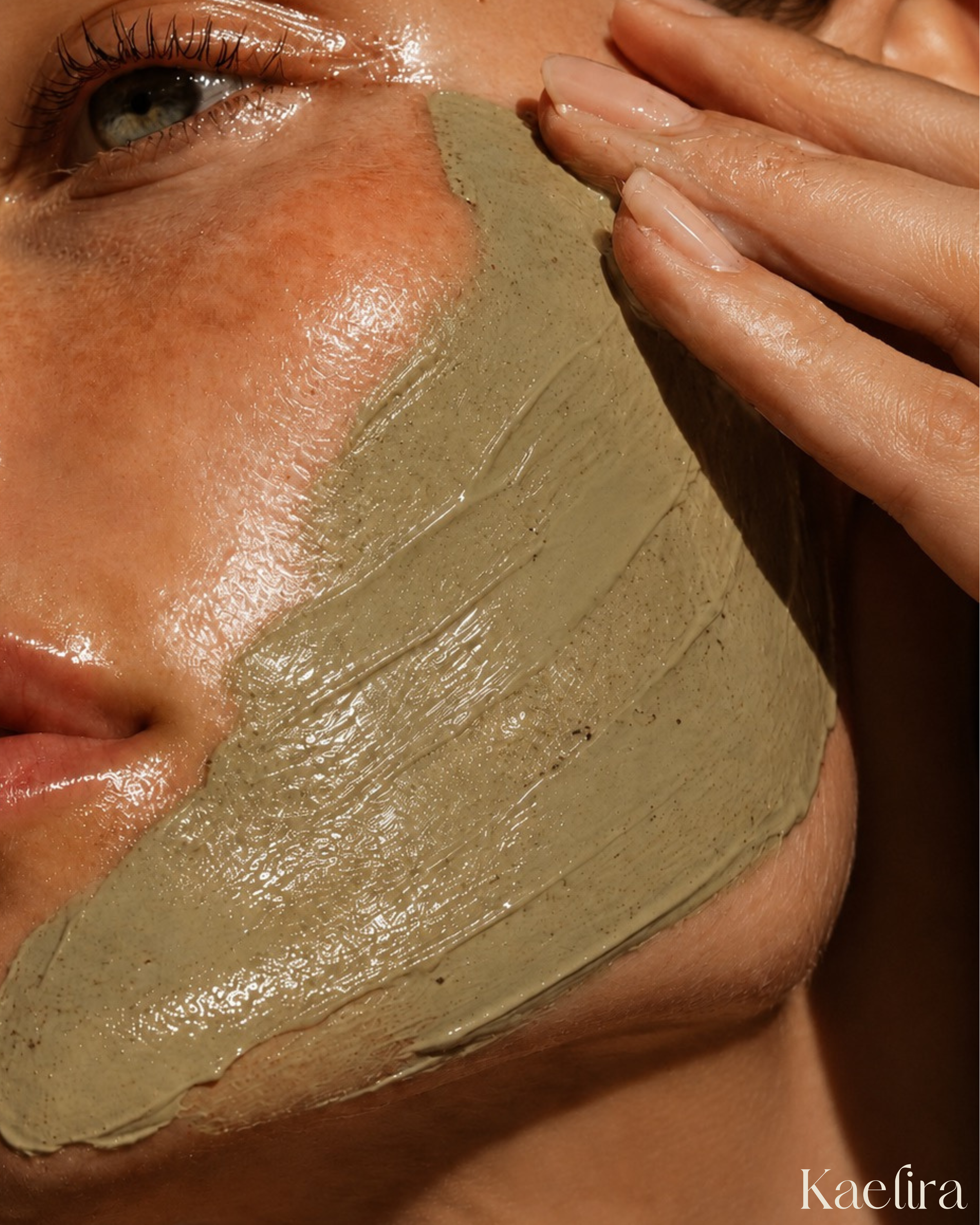
This is where Ayurveda has been ahead of the curve for a long time. Multani mitti (fuller's earth) has been used for centuries specifically because it absorbs excess oil and pulls impurities out of the pore without the harshness of a chemical exfoliant. Neem works alongside it as a natural antibacterial, which matters if bacteria buildup is part of what's driving your breakouts. Combined into a mask rather than a spot treatment, they address the oil, the bacteria, and the buildup all at once — instead of just drying out the surface and calling it done.
Our Acne & Oil Control Mask is built around exactly this approach — Fuller's Earth and Kasturi Turmeric to absorb excess oil, Neem and Bakuchi Seeds to purify and target bacteria, and Tulasi, Nagarmotha, Aloe Vera, and Orange Peel to keep the skin calm and balanced instead of stripped.
The Real Fix Is Consistency, Not Intensity
One mask isn't going to undo months of product buildup or hormonal fluctuation. What actually clears forehead acne is identifying which of the causes above applies to you, adjusting that root cause (switching hair products, managing sweat, whatever it is), and supporting your skin consistently — not attacking it once and expecting it to be over.
If your forehead keeps breaking out no matter what you try, or the bumps are painful, spreading, or not responding to changes over several weeks, it's worth getting it looked at by a dermatologist rather than guessing further.